

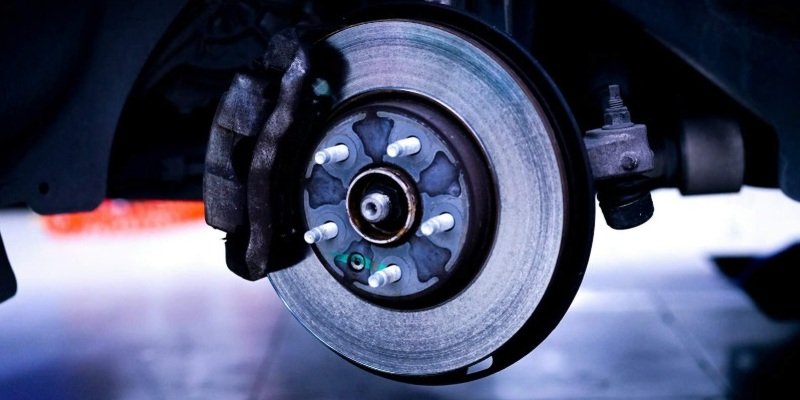
In an automobile, a brake pad is an essential component of its braking system. The mechanism plays a central role by assisting you in slowing down and stopping your car once, its brake pedal is pushed. They are fitted in the caliper on the brake disc and typically come with all types of four-wheelers to prevent possible accidents while driving.
To explore more about the importance of pads, how they work, and how to maintain them in sound condition, keep reading.
List of Contents
What Is Brake Pad?
Key Elementals of Brake Pads
How Does Brake Pads Work?
What Are the Types of Brake Pads Available?
Importance of Brake Pads
Signs of Worn Brake Pads
Establishing a Brake System Maintenance Schedule
Conclusion
Frequently Asked Questions
What Is a Brake Pad?
A Brake pad is, in essence, a vital piece of friction-generating object designed to push itself on the rotor or disc of your vehicle, enabling you to decelerate and stop the car, considering the necessity.
They are chiefly made of steel with a dense layer of frictional elements such as semi-metallic, ceramic, and other substances. Thus, once the brake is applied, the brake pads compress against the brake disc, thereby lessening the speed of the car or stopping it completely.
Key Elementals of Brake Pads
- Backing Plate: Typically made of steel, this component acts as a support structure. Moreover, it functions to deliver the pressure applied by the brake caliper to the frictional medium.
- Friction Material: The material is designed to produce resistance opposing the rotor once the brakes are activated or applied. The substance works effectively to resist high heat as well as various driving conditions while minimizing deterioration.
- Wear Indicators: Most brake discs have wear indicators such as producing a squeaking sound among others. When the brake pads become exhausted, cautioning you of the need to replace the brake pad.
How Does Brake Pads Work?
While driving, as you press the brake pedal to slow down or stop the car, due to road traffic or bad road conditions, your vehicle’s piston hits the caliper. At once, the caliper’s hydraulic fluid propels brake pads onto the brake disc.
Consequently, generated friction among pads and rotors lessens the speed of the vehicle. Described here a step-by-step process that helps the riders comprehend how disc brakes work:
- Once you push the pedal, a cylinder gets triggered, sending brake fluid through pipelines toward the calipers.
- The calipers, which comprise the brake pads, get activated. This motivates the pads to move inward and press the rotor.
- As the brake pads contact and push the rotor surface connected to every wheel, they generate a relative rotational resistance, which acts like brake torque in the moving vehicle and reduces its speed by converting the kinetic energy into heat energy.
- When the driver removes their foot from the brake pedal, the brake fluid typically flows back to the hoses, resulting in the vehicle moving once more.
What Are the Types of Brake Pads Available?
Now, it is the time to explore the types of brake pads available and their features. In general, you can find four types of brake pads available in cars and they are as follows:
1. Semi-Metallic
In general, the largest part of brake pads are made semi-metallic in combination with 30% to 70% metal like steel, copper, wood, or wire substances. Amidst all categories of brake pads, the semi-metallic class has earned the highest popularity among car buyers because they are not only cost-effective but heavy-duty, heat-resistive, and work more efficiently when it comes to responding.
2. Ceramic
Compared to semi-metallic, ceramic brake pads are generally more expensive, although they are equally popular for their heat-absorbing capability and efficient braking system. Moreover, compared to other types, they generate minimal noise and are a rather cleaner option. Moreover, ceramic brake pads boast better longevity in contrast to semi-metallic pads.
3. Low-Metallic
The low-metallic option is engineered in a blend of 10% to 30% steel or copper. Apart from greater braking performance, they are great for transferring heat. Even if these brakes are pretty noisy, they are less likely to lead to frozen calipers due to their dust-free nature.
4. Non-Asbestos Organic
Made of organic resources, these brake pads are softer and reasonably less noisy. The latest versions of NAO brake pads are available in rubber and fiberglass options as well. Although they work effectively for brake discs, they are prone to wear down quickly, which is why they are not ideal for off-road driving.
Also Read: 6 Upcoming Yamaha Bikes Launching in India in 2025
Importance of Brake Pads
Following are the primary reasons why brake pads are so important:
Ensure Safety
The key objective of brake pads is to facilitate the driver to stop the vehicle to avoid causing a collision or any accident. It is worth noting that worn or degraded pads are likely to lose their prompt-stopping ability, causing an increased distance before taking a halt. This often leads to mishaps. Therefore, don’t forget to check and replace brake pads to ascertain overall safety.
Performance
The integrity of effective brake pads boosts the overall performance of a vehicle. Quality pads get you maximum stopping power, which is unarguably a basic need in emergency circumstances that demand slowing down the car or making it halt. The advantage of braking systems thereby enhances ease, control, and peace of mind while driving.
Protecting Other Parts
Improperly maintained brake pads can result in the wearing out of the brake rotors as well. If the pads get too worn out, they may cause issues such as damage or even distortion of the rotors, making the repairing job costlier. Replacing the brake pads not only extends their life but also protects the uprightness of the entire braking system.
Reduction of Sounds
Good quality brake pads can help reduce braking noise. Brake pads that are worn out or of low grade often produce sound effects such as squeaking or grinding which not only indicate wear and tear but also seem to be irritating, and disturbing for the driver and passengers.
Environmental Concerns
The use of different brake pads shows the varying impact on the environment. For instance, organic pads are less likely to generate dust, compared to their semi-metallic counterparts, and thus become instrumental in providing a clear air quality. Opting for eco-friendly brake pads thereby, can help you limit the overall environmental damage caused by automobiles.
Also Read: Tesla Now in India! Explore The Trending Tesla Models and Select Your Favorite One
Signs of Worn Brake Pads
Identifying the signs of damaged brake pads is key for their timely maintenance. Here are some basic signs:
- Squeaking or Squealing Noise: This is probably the most common indicator that alerts to replace the brake pads. Typically, the noise occurs due to wear indicators contacting the rotor.
- Grinding sound: A grinding noise often indicates that the pads are so severely worn down that the inner metal of the braking subsystem is always in contact with each other with no brake pad left to cushion the impact. The scenario can be extremely harmful to the rotor as well.
- Braking Performance: If you start experiencing longer distances before stopping or soft brake pedals, it is prudent to check the brake pads.
- Vibration: If braking causes a vibration, it might mean that the rotors are warped which is a consequence of deteriorated brake pads.
- Warning Light: Most of the new vehicles’ dashboards have a warning light that lights up when the brake pads are about to wear out.
What Are the Best Practices for Brake Maintenance?
Effective and routine maintenance of the brake pads is the key to letting them serve longer and enjoy their optimal performance. Below are some guidelines for accomplishing this.
- Regular Inspections: Make sure that your brake system undergoes inspection with a trained mechanic at certain intervals. Most suggest undergoing the checks, especially after every 10,000 to 15,000 miles.
- Listen For Unusual Sounds: Be aware of any unfamiliar sounds when applying the brake. Timely identification of concerns can help avoid expensive damages and fix the problem early.
- Check Brake Fluid: The function of brakes relies on a specific amount of brake fluid; therefore, it is crucial to verify the level and ensure that the fluid is free from contamination.
- Choose Quality Pads: When buying brake pads for your vehicle, always go for one that can accommodate your driving habits and the type your car deserves.
- Avoid Aggressive Driving: Practicing smooth driving techniques may also minimize brake wear, thereby enhancing overall safety.
Also Read: Car Seat Belts: Why Is Your First Line of Defense In A Crash?
Conclusion
The brake pads are key components of a vehicle’s braking system and play a crucial role in safety and driving performance. Having a clear insight into importance of brake pads, how they work, signs of wear can be of immense help in taking better care of your car. Inspection on a regular interval and on-time replacement ensure that they remain always in upright condition, proving safety, performance, and peace of mind while on the road.
Frequently Asked Questions
Q1. What is the expected lifetime of brake pads?
In general, the life expectancy of brake pads ranges between 30,000 and 70,000 miles, miles, however, this is also influenced by various factors including, one’s driving behavior, the composition of the pads, and the external conditions they encounter.
Q2. Should I drive my car with worn-out brake pads?
No, you should not drive with worn brake pads as this compromises the effectiveness of braking and may even be hazardous to your life.
Q3. How can I increase the life span of brake pads?
In some instances, replacing the hardware helps to prolong the service life of the brake pads. In other cases, installing them with new brake rotors or resurfacing existing brakes can help as well.
Q4. What is the standard width of the brake pads?
As stated, a new brake pad has a standard measurement of around 10 mm in thickness and it is recommended by most manufacturers and mechanics that they should be replaced when they decline to 3mm.


